Highgate House Clearance in Highgate
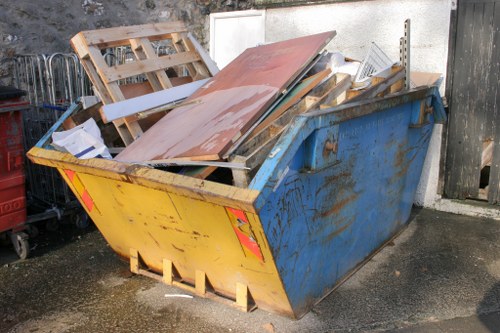
Highgate House Clearance provides a practical house clearance service in Highgate for homes that need contents removed with care, judgement and a tidy finish. We clear a wide range of domestic items, from single bulky pieces to the contents of entire rooms, and we work with homeowners, landlords, agents and families who need a straightforward way to move a property on. The aim is to make the process manageable while keeping the work focused on what is actually required in the property.
Our service is built around clear communication and sensible organisation. That matters when a clearance involves mixed furniture, household effects, appliances, paperwork or items that need separating for reuse and disposal. We can help with planned clearances where the rooms are already sorted, or with properties where several types of contents need to be handled in stages. If you need a quote, you can make an initial enquiry and discuss the scope before anything is booked in.
Because every property is different, we keep the service flexible enough to suit a variety of household situations. Some customers want a full clearance that leaves the place ready for cleaning, decorating or sale preparation; others only need selected rooms emptied. In either case, the work is approached as a clear task with a defined outcome, rather than as a one-size-fits-all removal job. Our focus is on removing the agreed items responsibly and leaving the space ready for its next step.
House clearance work for different property needs
A house clearance often combines more than one type of task. A living room may contain heavy furniture, a kitchen may have freestanding appliances, and bedrooms may hold a mixture of soft furnishings, personal belongings and storage items. We plan the work around the rooms and the items involved, so the clearance can be handled in a logical order. That helps keep the job tidy and reduces the chance of unnecessary disruption inside the property.
Where a property has several floors or awkward access, it is useful to think about how the items will be moved before the clearance begins. We may need to work around staircases, narrow hallways, shared entrances or careful parking arrangements. You do not need to produce a formal inventory, but a simple summary of the rooms and larger pieces usually makes it easier to quote accurately. If a property contains items that need special handling, it is best to mention those early.
Domestic contents, furniture and mixed household items
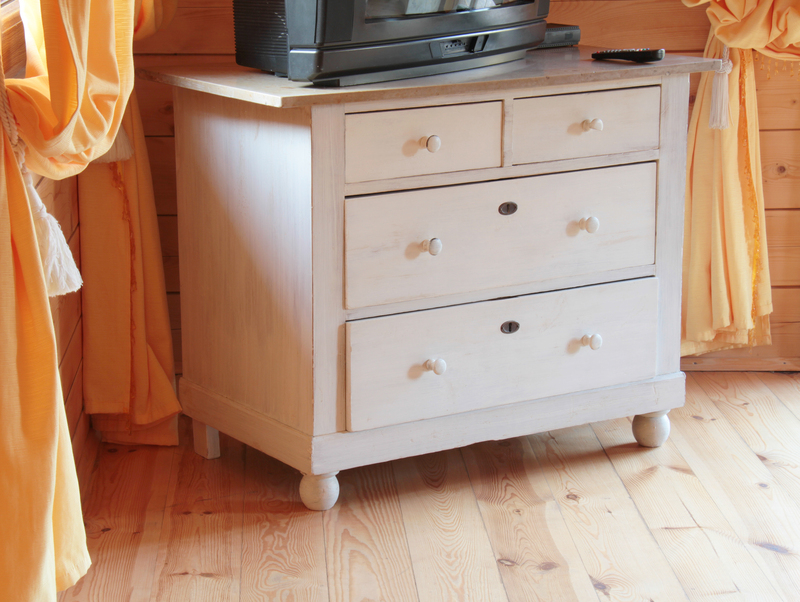
House clearance work commonly involves a mix of furniture and general household contents. That can include sofas, tables, beds, wardrobes, storage units, white goods and boxed items. In some homes there may also be small fixtures or loose contents that need to be taken away as part of the agreed clearance. We treat each category with the same aim: remove what has been agreed, separate reusable items where appropriate and keep the process orderly from start to finish.
Room-by-room clearing and careful sorting
Many customers prefer a room-by-room approach because it helps keep control over what stays and what goes. This is often useful where a property still contains some items to be retained, or where family members need time to decide between belongings. We can work through the rooms in a planned sequence, so the clearance does not become chaotic. That makes it easier to preserve the right items while still moving the job forward at a steady pace.
Sorting can also help when a property contains a combination of recyclable materials, furniture in reasonable condition and general waste. Rather than treating every item the same way, we separate the load according to what it is and where it should go. In practice, that may mean keeping reusable furniture distinct from broken items, or dealing with papers and soft goods differently from larger hard items. This approach supports a neater, more responsible clearance.
When you request a quotation, it helps to say whether the job is a full-property clearance or a partial one, and whether the property is occupied, empty or being prepared for handover. You do not need to overexplain the whole situation, but a few practical details let us understand the size and nature of the work. If you can describe access, parking and any especially large items, the quote process is usually more straightforward.
Item types, handling and disposal decisions
House clearances often require more judgement than simply lifting items out of a room. Some objects may be suitable for reuse, while others may need to be broken down, separated or dealt with as waste. Larger furniture can require careful moving, and some contents may be awkward because of weight, shape or condition. The right handling approach depends on the item itself, the available access and the overall plan for the property.
We aim to manage those choices sensibly rather than force everything into one method. For example, a serviceable chair or table may be handled differently from damaged household goods, and items with materials that need separating should be considered with care. That is one reason a house clearance can be more efficient when the contents are described clearly at the outset. A short description of the main categories is usually enough to get started.
- Furniture and larger domestic items
- Appliances and kitchen contents
- General household belongings and mixed room contents
- Items that may need separating for reuse, recycling or disposal
Managing access, timing and practical arrangements

Practical arrangements matter because they affect how smoothly a house clearance can be completed. A property with straightforward access and open rooms can often be handled in a fairly direct way, while a home with tight entrances, shared access or limited parking needs more thought. We take the circumstances of the property into account so the work can be planned realistically. That keeps the clearance aligned with the actual setting rather than with guesswork.
It also helps to decide whether the clearance needs to happen before decoration, between tenancies, as part of an estate matter or simply because the property needs to be emptied. Those circumstances change the order of work and the level of tidiness expected afterwards. We do not assume that every clearance is the same, because one property may need only a light clear-out while another requires much more comprehensive removal. The clearer the scope, the easier it is to quote for the right amount of work.
If you are ready to talk through a job, you can ask for a quotation and outline the rooms, contents and access details in a brief message. A short summary is usually enough at first. From there, the service can be discussed in a way that suits the property and the work involved, without unnecessary back-and-forth.
Clearance for complete homes, flats and selected rooms
House clearance does not always mean clearing an entire property in one go. Sometimes the task is limited to a loft, a garage, a spare room or a section of the home where items have built up over time. In other cases, the clearance involves most or all of the property and needs a more comprehensive plan. We can approach the work according to the actual requirement, so the service remains useful whether the job is large or selective.
For properties with a lot of mixed contents, it can help to decide whether the priority is speed, sorting or a particular end result such as making the rooms fully empty. A good clearance plan considers what is being removed, what should remain and what level of tidiness is needed when the work is complete. If there are items you want to keep aside, it is sensible to identify them before the clearance starts so they are not moved with the rest of the contents.
When a targeted clearance is the better option
Targeted clearances can be the right choice when the property is still partly in use or when only a specific area needs attention. That might involve bulky furniture in one room, accumulated contents in storage spaces or items left behind after a move. A targeted approach keeps the service focused and can be easier to organise when only a defined section of the home is involved. It is still a proper house clearance task, just scaled to what the property actually needs.
Responsible handling and service choices

Many customers want a house clearance that feels orderly and sensible from the outset. That means looking at the contents, deciding what needs to be removed and understanding how the items should be dealt with afterwards. We work in a way that gives attention to those details, especially where the clearance includes a mixture of reusable items, damaged belongings and general household clutter. A careful approach supports a cleaner result and avoids unnecessary handling.
Where possible, we separate items in a way that reflects their condition and the practical requirements of the job. That can be particularly relevant if the property contains materials that are better handled separately from furniture or simple household goods. It is also useful when a customer wants a clear distinction between what remains in the property and what is due to be cleared. In that sense, the service is as much about decision-making as removal.
We keep the quotation process simple. If you can describe the property size, the rooms involved and the main items to be cleared, that usually gives enough context for an initial price discussion. Simple details first, fuller details if needed later. That approach keeps the exchange practical and avoids making the enquiry harder than it needs to be.
About Highgate
Highgate is a historic area in north London, known for its elevated position, village-like streets and long association with the edge of Hampstead Heath. It sits across parts of the London Borough of Camden and the London Borough of Haringey, and its identity is shaped by a mixture of older settlement patterns, later suburban development and a strong concentration of period architecture. The area’s name is thought to refer to a gate or toll gate on the Bishop of London’s lands, and the neighbourhood grew in importance because routes through the high ground connected central London with the north. Highgate’s built environment reflects that history: there are Georgian and Victorian houses, narrow streets that still feel intimate, and notable landmarks such as Highgate School, Highgate Cemetery and the Archway connection nearby. The cemetery, opened in the 19th century, is one of the best-known sites in the area and remains significant for its historic graves, atmospheric landscaping and status as a Victorian cemetery of national interest. The neighbourhood also includes access points to Hampstead Heath, where wooded paths, open grassland and ponds create a major green space close to the urban core. Churches, pubs, local shops and residential squares contribute to the area’s character, while the hilltop setting gives many streets a distinct sense of enclosure and height. Highgate’s combination of heritage buildings, green edges and residential calm makes it a distinctive part of inner north London, with a character that is both urban and quietly local.
House clearance for changing household circumstances
Some clearances are planned well in advance, while others come about because a property needs attention sooner than expected. The service still needs the same careful handling in either case. A house may be partially occupied, fully empty or in the process of being transferred to someone else, and the clearance should follow the state of the property rather than a generic checklist. That is why it is useful to keep the discussion focused on rooms, contents and any restrictions on access.
Where time is limited, it is often better to identify the essential items first and then work through the rest in order. Where time is less pressing, a more gradual and selective approach may suit the property better. The important thing is that the clearance matches the situation. We can discuss the work in clear terms so the job is neither overstated nor underestimated, and so the agreed scope is genuinely what needs to be removed.
For a straightforward next step, send a short description of the property and the items involved. If you prefer to speak through the work, that is fine too. The quotation can then be based on the actual contents and practical access, not on assumptions.
Planning a clear and efficient clearance

Good planning makes a house clearance easier for everyone involved. In practice, that means knowing which areas are included, whether the clearance is full or partial, and what sort of items are present. It can also mean deciding whether the work should be done in one visit or handled in stages. A little planning at the quotation stage often reduces confusion later, especially where the property contains many different kinds of contents.
Two practical points are especially useful when preparing an enquiry: first, note the main rooms and any especially bulky items; second, think about access, parking and any restrictions inside the property. That is usually enough to begin a useful discussion. We do not need a complicated explanation, just enough information to understand the scope. That way the quoted work reflects the property properly, and the clearance can be arranged with fewer surprises.
When you are ready, ask for a quote and describe the house clearance you need in Highgate. If there are rooms to be cleared, items to be kept and a particular deadline in mind, include that in the message. We can then take the next step with the details in hand.